
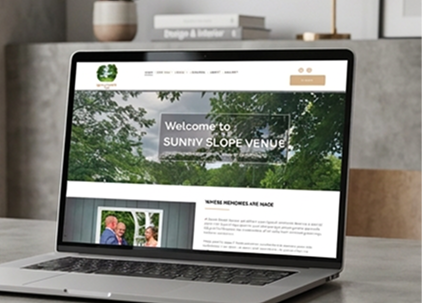
Sunny Slope Venue
A venue site has to do more than list amenities. It has to help people imagine the experience, answer practical questions, build confidence, and move naturally toward an inquiry or visit.
Turn interest into confidence without overwhelming people with information.
Visual storytelling, clearer planning information, and a stronger inquiry journey.
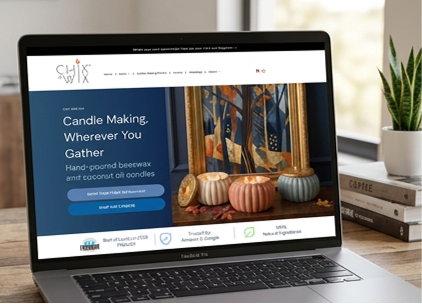
Chix and Wix
This site has to do several jobs at once: sell products, explain candle experiences, support events, handle refills and subscriptions, and still feel like one coherent brand.
Make multiple offers feel connected instead of competing with each other.
A clearer brand experience across shopping, discovery, events, and repeat purchase.
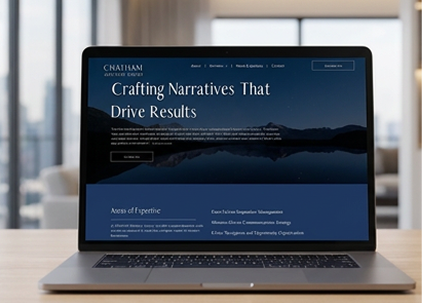
Chatham Advisory Group
Professional-services websites need to feel credible quickly. The challenge is often less about adding more content and more about making the expertise, offer, and next step easier to understand.
Present a sophisticated service without making the site feel dense or generic..
Clearer positioning, stronger hierarchy, and a more intentional path to contact.
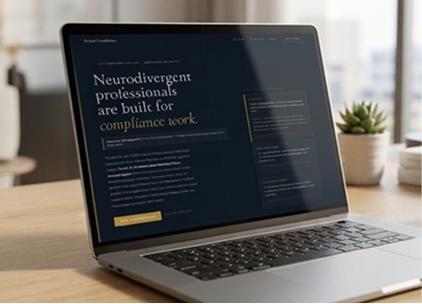
Senyah Compliance
Technical and regulatory services can be difficult to explain. The website has to make a specialized offer understandable without watering down the expertise behind it.
Make complex services easier for prospective clients to understand and evaluate.
Clearer language, stronger service organization, and a more credible professional presence