Making business travel feel like one connected experience.
Business travel rarely happens in one place. Travelers move between planning, booking, trip details, company requirements, changes, and support, often across multiple digital and human touchpoints. This work focused on bringing those moments together so the experience felt easier to navigate from the first decision through the trip itself.
INDUSTRY
Business travel + travel technology
My role
UX leadership, research, journey mapping, product design
CORE CHALLENGE
Connect a fragmented travel journey across digital and human touchpoints
DELIVERED
A more unified experience across planning, booking, trip management, and support
The trip was connected. The experience wasn’t.
A business traveler thinks about one journey: figure out where to go, make the arrangements, travel, handle what changes, and get home. The experience supporting that journey was much more fragmented. Different tasks, tools, policies, and service moments appeared at different points along the way. Travelers needed to understand what they could do, what they needed to do, and where to turn when plans changed. The opportunity was to design around the whole trip, rather than treating booking, travel management, and support as unrelated moments.
What made this challenging
Travel decisions happen across multiple moments
Planning, booking, preparing, traveling, and managing changes each create different needs, but they still need to feel like parts of the same experience.
Digital and human support had to work together
Not every travel problem belongs in an interface. The experience needed to make it clear what users could handle themselves and when human help mattered.
Business travelers have context consumer travel doesn't
Company expectations, travel programs, approvals, and work-related needs shape the experience alongside the traveler’s personal goals.

WHY THIS WORK MATTERS
Good travel UX has to follow the journey, not the org chart.
Travelers do not care which internal team owns booking, support, policy, or trip management. They experience one trip.That made the customer journey especially important in this work. The design needed to connect the digital product with the human moments around it so users could move through the experience without having to understand how the business was organized behind the scenes.
Design around the trip people were actually taking.
The work moved beyond individual screens and focused on the complete business travel journey.
Understand the travel context
Look at how travelers planned, booked, prepared for trips, managed details, and responded when something changed.
Design the journey across channels
Use customer journey mapping to connect mobile, desktop, trip information, and service moments into a more coherent experience.
Identify the breaks between touchpoints
Map where users moved between digital tools, information, processes, and human support, and where those handoffs created unnecessary effort.
Bring the experience into the product
Translate those insights into concepts, workflows, responsive experiences, and product designs that supported travelers throughout the trip.
How the journey became easier to navigate
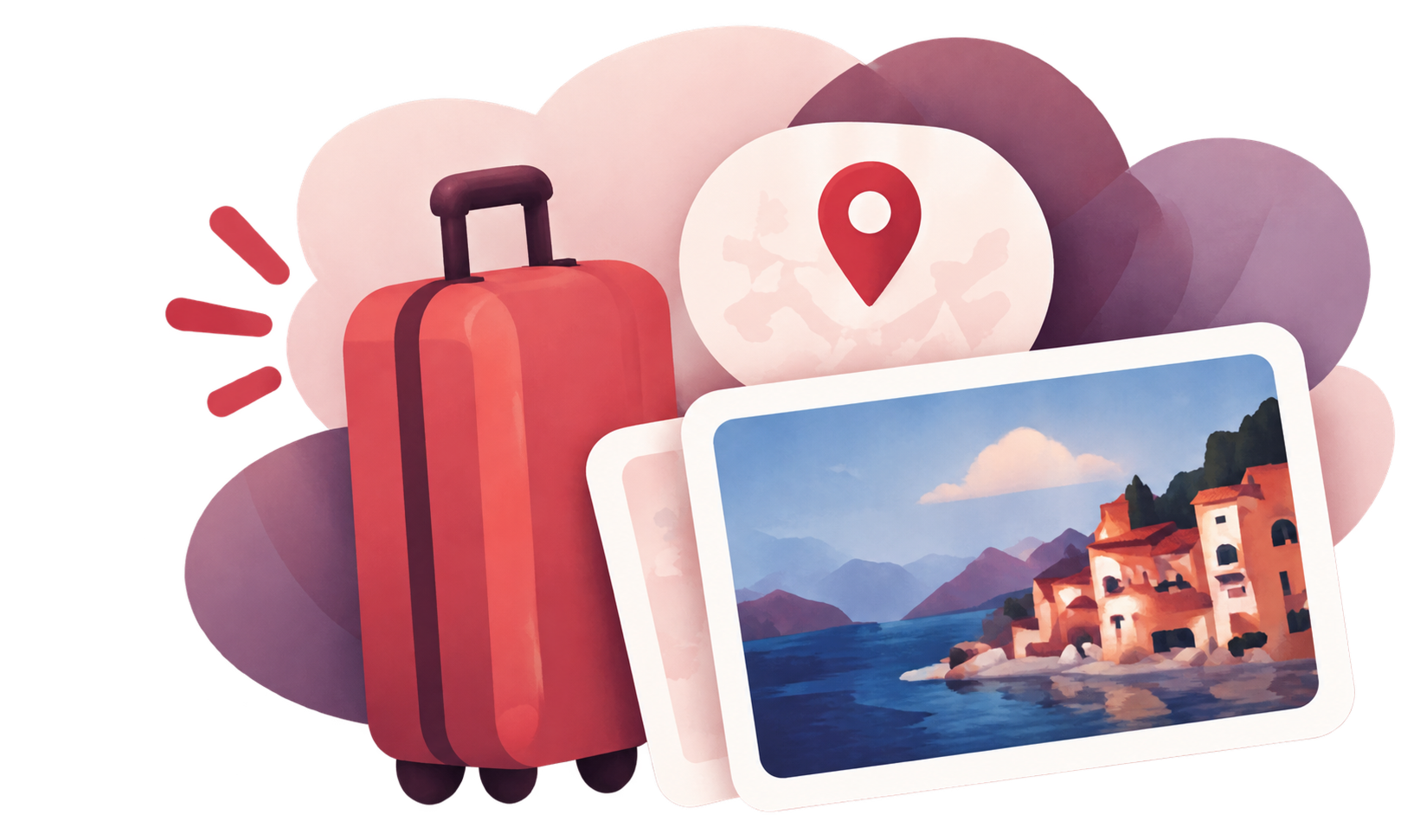
Bringing the trip into one view
The experience explored how travelers could see the important parts of a trip together instead of piecing information together from separate places. A clearer trip view could help people understand what was booked, what was coming next, and what needed their attention without forcing them to reconstruct the journey themselves.
Connecting digital and human touchpoints
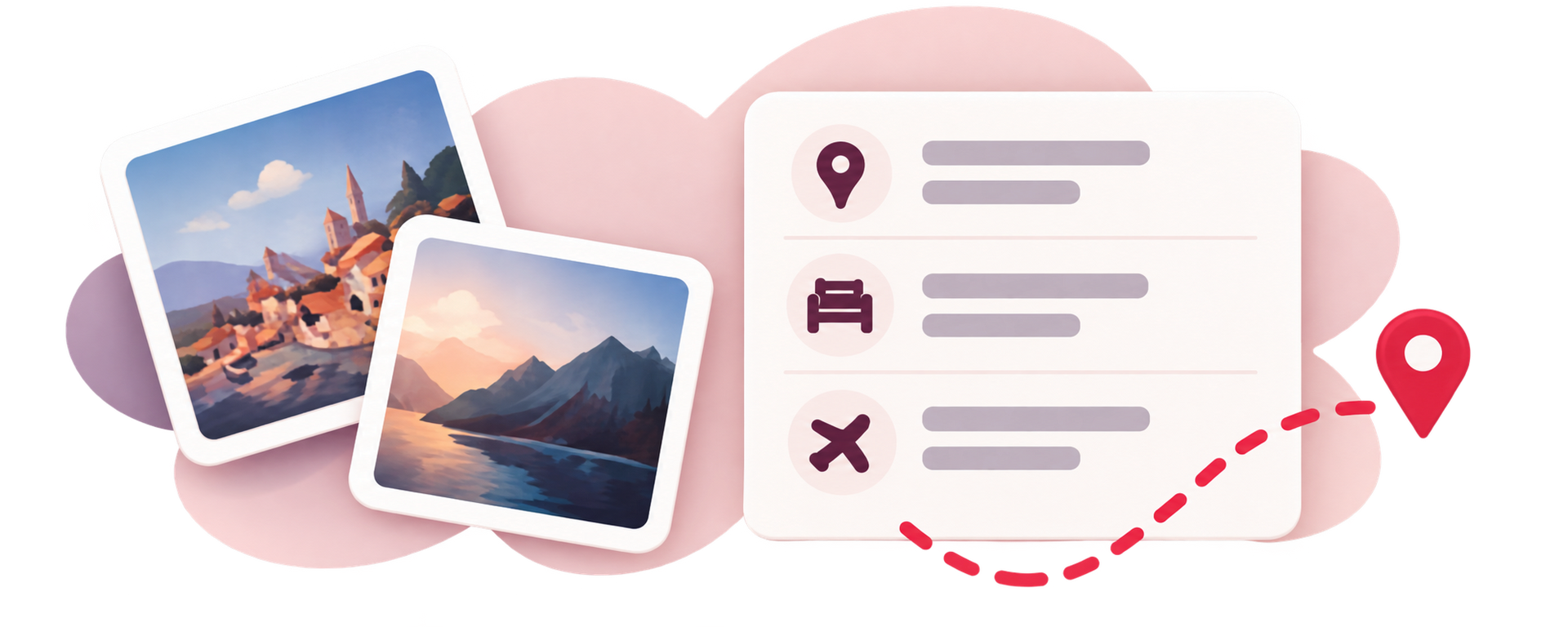
Business travel is not entirely self-service. Journey mapping helped identify the moments where digital tools could make the experience faster and easier, as well as the moments where access to a person was an important part of the service. The goal was not to replace human support. It was to make the handoff between the two feel intentional.
INSIDE THE ENGAGEMENT
What the work actually involved
This project looked at business travel as an end-to-end experience rather than a collection of booking screens. Research, customer journey mapping, early concepts, information architecture, and product design all contributed to understanding how travelers moved through the experience and where the product could better support them.
UX Leadership
Connected research, customer experience strategy, and product design around the complete travel journey.
Research & Discovery
Explored traveler behaviors, needs, expectations, and the realities surrounding business travel.
Customer Journey Mapping
Mapped the relationship between planning, booking, travel, service, and other digital and human touchpoints.
Information Architecture
Organized travel information and actions around what users needed at different moments in the journey.
Mobile-First Exploration
Used early mobile concepts to focus the experience around essential traveler needs and actions.
Product Design
Translated the strategy into workflows and interfaces across the broader travel experience.
WHAT CHANGED
A more connected travel experience
The work shifted the experience away from isolated transactions and toward a journey that better reflected how business travel actually happens.
Better continuity across the trip
Travelers could move more naturally between planning, booking, trip information, and the actions they needed along the way
Clearer access to support
The experience created a stronger relationship between self-service interactions and the human help available when travelers needed it.
A stronger foundation across channels
Journey thinking helped create a more consistent experience across mobile, desktop, and service touchpoints rather than designing each channel in isolation.al and relevant.
Great travel UX is not just about making booking easier.
It is about understanding everything that happens around the booking.
This work used research, customer journey mapping, and product design to connect the digital and human parts of business travel into a more coherent experience.The result was a stronger foundation for helping travelers move through the entire journey with less effort and a clearer sense of what came next.
Tell me what you're trying to improve.
You do not need to diagnose the UX problem first. Start with what you are seeing, what customers are telling you, or what you want the website or product to accomplish.